
In logistics, delays are not just operational issues — they are cost leakage points.
SBS builds ERP systems for logistics and distribution companies that need end-to-end visibility across warehouses, shipments, and inventory movement in real time.

SBS builds ERP systems for logistics and distribution companies that need end-to-end visibility across warehouses, shipments, and inventory movement in real time.
Logistics complexity is rarely about transportation — it is about synchronization. Small inefficiencies compound into systemic delivery failure.

01 — RISK
Stock levels differ across warehouses. Reports say one thing, shelves show another — and every mismatch becomes a delayed order or a lost sale.

02 — RISK
Dispatch, routing, and tracking live in separate tools. Poor coordination between teams turns predictable deliveries into daily firefighting.

03 — RISK
Goods movement is logged on paper and re-entered later. Real-time stock visibility is impossible when data is always hours behind reality.
Most ERP systems treat logistics as a reporting layer — not a real-time operational system:
Logistics requires live operational orchestration, not record keeping.
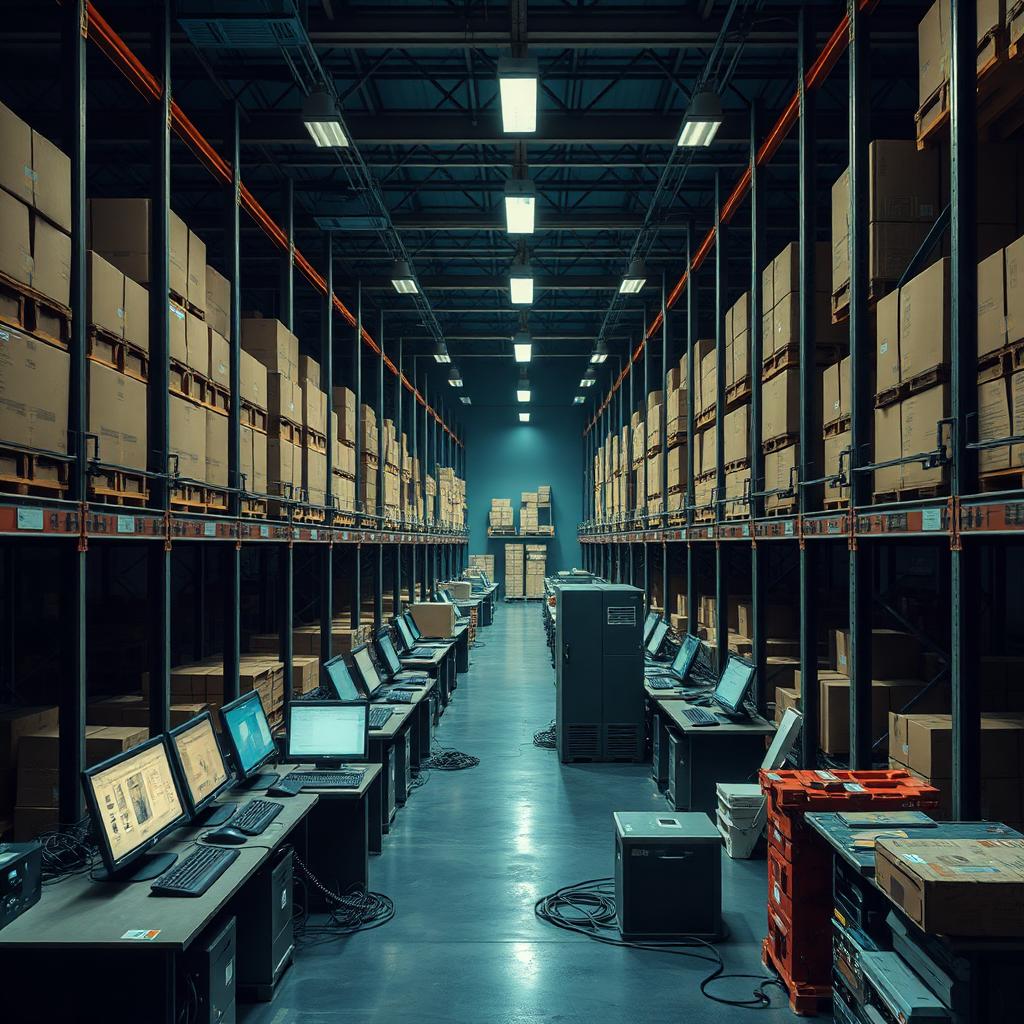
SBS builds logistics ERP systems that function as a live supply chain control tower.
Real-time warehouse synchronization
Unified inventory visibility across locations
Automated stock movement tracking
Demand-driven replenishment logic
Integrated procurement, warehousing & distribution
Core Logistics ERP Capabilities
Logistics Use Cases We Solve

Unified visibility and synchronized inventory across every warehouse, so stock decisions reflect the entire network — not one location.
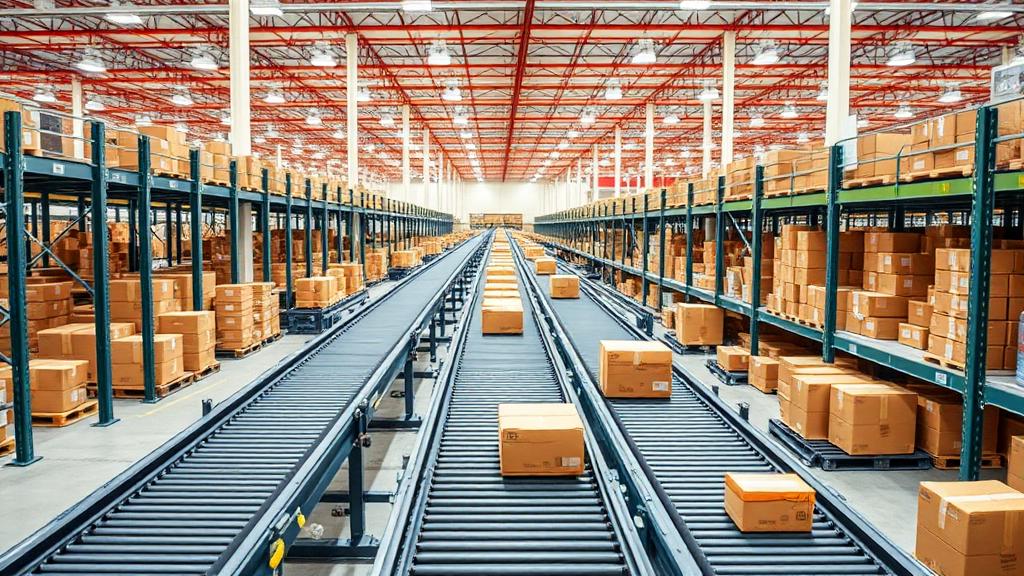
Automated picking, packing, and dispatch workflows built to absorb spikes without breaking service levels.

Coordinated procurement, customs, and inbound logistics so international movement is tracked as one continuous flow.

Store replenishment driven by real demand — connecting distribution centers, transport, and retail outlets in one system.

Client-segregated inventory, billing rules, and SLAs managed inside a single control tower purpose-built for third-party logistics.
Business Impact
Real-time visibility across all warehouses
Reduced stock discrepancies and losses
Faster order fulfillment cycles
Improved supply chain predictability
Lower operational overhead through automation
Implementation Approach
Document how goods, data, and decisions actually move across your warehouses, suppliers, and distribution points.
Model zones, bins, and locations that reflect real operations — not generic templates.
Configure stock rules, replenishment triggers, and multi-location synchronization aligned to demand patterns.
Connect procurement, fulfillment, dispatch, and tracking into one live operational fabric.
Refine workflows, expand automation, and scale the system as new locations, SKUs, and channels come online.
Why SBS for Logistics ERP
Strong focus on real-time operational systems
Ability to unify fragmented warehouse environments
Deep experience in multi-location distribution logic
ERP architecture designed for movement, not static data
If your logistics decisions rely on delayed reports or disconnected systems, your supply chain is operating blind. SBS builds ERP systems that bring real-time clarity to every movement in your network.
Let's Get Started
We're ready to help with your digital transformation. Get in touch with our experts within 24 hours.
“From day one, the level of professionalism and technical expertise was outstanding. They turned our complex requirements into an elegant, scalable solution.”